

People are different in many ways, including their neurology. A neurodivergent person is atypical in how they experience and interact with their world. Just as in every other facet of life, the call to love our neighbors as we love ourselves (Matthew 22:37-40) includes those who are not neurotypical. We should approach neurodiverse individuals with the same compassion we want to receive for the ways we’re different.
Autism – Understanding It and Dispelling Myths
Autism is a condition formally referred to as Autism Spectrum Disorder (ASD). Though that is the clinical term, many prefer to refer to the condition as autism or simply as being autistic. The choice of language a person prefers will vary – the preference might be for person-first language (e.g., “person with autism”) or for identity-first language (e.g., “autistic person”).
 Setting to one side what is appropriate when referring to ASD and individuals with ASD, the question is, what is ASD? ASD is a neurodevelopmental condition that manifests differently and uniquely in individuals. It influences how the individual interacts with and perceives the world around them. ASD is characterized by differences in behavioral patterns, social communication, and sensory experiences.
ASD is commonly described as a spectrum. This is because the condition encompasses a broad range of challenges and abilities, and these exist on a spectrum. Two people with ASD won’t experience the same levels of difficulty with communication, social interactions, sensitivity to sensory input like light or sound, or in their experiences of repetitive behaviors.
The spectrum nature of autism may also mean that some individuals excel in certain areas, such as their memory, art, or mathematics, while facing challenges in other areas of life, like maintaining relationships.
Common Misunderstandings and Controversies about Autism
We live in the information age, which has positive and negative implications. Information is plentiful and readily available, but it can be hard to sift for accuracy. Misinformation abounds, and with that, misunderstandings, and controversies. It’s important that you talk to a trained medical professional, such as your doctor or healthcare provider, to receive accurate and up-to-date information about autism or other concerns.
There are many misconceptions and myths about autism and autistic people that are out there. These can make it harder to understand what’s going on with a loved one who has variations in their neurology, as well as knowing how best to support them.
One myth that stems from the difficulties in social communication that ASD brings is that autistic persons lack empathy. This is inaccurate; while experiencing deep empathy, an autistic individual may express it differently from how others do.
 There are also ongoing debates over the appropriate treatment options for autism and its causes. Even though it’s been thoroughly discredited, the flawed study and theory linking vaccines to autism have caused a lot of harm to individuals and families.
Autism may rightly be understood as a natural variation in human neurology, and not as a disease. Some advocacy groups with a focus on ‘curing’ autism are seen as offensive by some in the autistic community. Those in the community view autism as an integral part of who they are, and question how and why you could ‘cure’ an integral part of someone’s identity.
Becoming aware of the controversies and challenging myths and misconceptions surrounding autism can foster understanding and a more compassionate and supportive presence for autistic individuals. Awareness is a great first step to providing inclusive learning, working, and living spaces for all, including autistic individuals, to flourish and become the people the Lord intends them to be.
Signs of Autistic Behavior
Autistic behavior will manifest in various areas, including how the individual interacts with others, how they respond to stimuli, how and whether they complete complicated tasks, and how they deal with changes. The signs of autism can appear in early childhood, and as a person gets older, they may become even more apparent. Some of the signs that can help you identify ASD include the following:
Unusual reactions to sensory inputs If a person doesn’t respond in a typical fashion toward sensory inputs such as sights, smells, sounds, tastes, or textures, that could point to autism. These responses could include being under- or over-sensitive to these stimuli in marked ways.
Challenges with social communication Interacting with others may be difficult for an autistic individual. Some signs to look out for would include having difficulty with maintaining eye contact, as well as with initiating or maintaining conversations with others. They may also have unusual body language. There may also be difficulty understanding others’ tone of voice or the meaning of their facial expressions.
These various challenges, including difficulty with having successful back-and-forth conversations in everyday life, can make it hard to initiate and maintain relationships.
 Preference for routine Another sign to be aware of is one’s strong preference for predictability and routines. An individual with autism may struggle a lot with changes. They are uncomfortable with transitions, having to be flexible, or dealing with unexpected changes, more than most people.
Repetitive behaviors Another sign of autism is when the individual engages in repetitive behaviors. This can include making sounds or repetitive movements. Flapping hands, rocking, pacing, repeating words or phrases, lining up objects, or even engaging in self-harm could be signs of autism. Insisting on strict routines and sameness may also be a sign of autism.
Intense focus on interests ASD may also manifest as intense, focused interest in specific topics or interests. These interests can be varied, but the individual digs deep into the intricacies and details of a given topic or hobby, losing themselves in it.
These signs can vary quite widely between individuals, and they may also vary in terms of their severity and how they impact an individual’s daily life. Some individuals may be able to communicate effectively with others, while others struggle with the nuances of social interactions. Others may be non-verbal and need to rely on alternative means of communication to facilitate social interactions.
If you have any concerns about autism, whether on your own behalf or on behalf of a loved one, you must consult with a mental health professional. They can provide you with clarity about the situation and with the necessary support to flourish.
Providing Support to a Loved One with Autism
The Lord places people in our lives for many reasons. Whether you can discern what the Lord is doing in your life through your relationships, loving others well in the pattern and manner of Jesus is what we’re called to. If you have a loved one with autism, there is much you can do to support them. That support should be tailored to the individual’s needs, as autism is a spectrum and needs will vary.
Some of the key strategies that can be effective to support your loved one include:
Understanding and acceptance Take the time to learn about autism from reputable sources and embrace neurodiversity as part of the infinite variety in which the Lord has created us. You can support their interests and efforts in self-advocacy, so that they feel empowered.
 Sensory considerations Autism may result in your loved one having specific sensory needs. You can be mindful of your loved one’s sensory sensitivities and create comfortable environments for them. That could include not having bright lights, textures, and fabrics that don’t overload them. Likewise, it would avoid having strong smells or playing loud sounds in the home, to name a few.
Nurture effective communication Your loved one may have communication preferences that work best with their strengths. Ask after these preferences and respect their stated boundaries.
Consistency and routine You can also help your loved one by offering structure and being consistent, which can provide them with a sense of security.
Even though autism can be challenging, it’s possible to live a fruitful life that brings flourishing to others. Speak with a professional, such as a doctor or counselor, to pursue a diagnosis and learn effective strategies to handle the challenges of autism. If you are ready for this conversation now, call our offices today, and we will schedule an appointment with one of the many skilled therapists in our office.
Photos:
“Snowy Woods”, Courtesy of Hanna Lazar, Unsplash.com, CC0 License; “Ocean Waves”, Courtesy of Sueda Dilli, Unsplash.com, Unsplash+ License; “Mountains”, Courtesy of Marsumilae, Unsplash.com, CC0 License; “Tree at Night”, Courtesy of Jonny Gios, Unsplash.com, Unsplash+ License
-
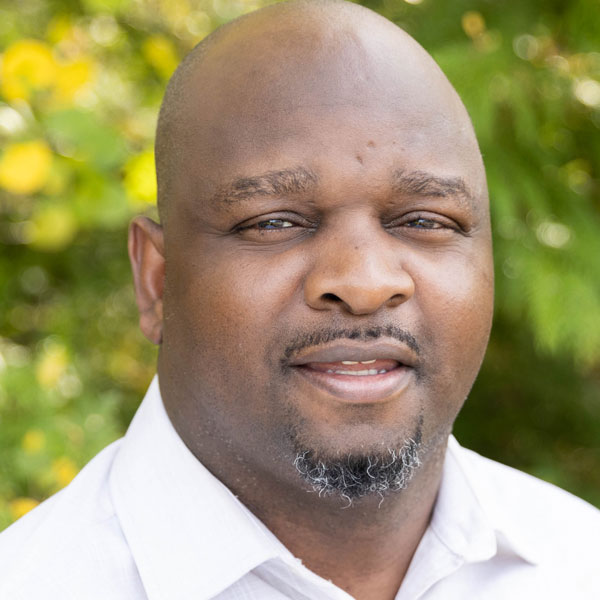 Meluleki Ncube: Author
As a Licensed Marriage and Family Therapist (LMFT), I have extensive experience working with a wide range of clients from diverse backgrounds, including teenagers, adult individuals, parents, and couples. As your therapist I promise to show up and li...

DISCLAIMER: THIS ARTICLE DOES NOT PROVIDE MEDICAL ADVICE
Articles are intended for informational purposes only and do not constitute medical advice; the content is not intended to be a substitute for professional medical advice, diagnosis, or treatment. All opinions expressed by authors and quoted sources are their own and do not necessarily reflect the opinions of the editors, publishers or editorial boards of Stone Oak Christian Counseling. This website does not recommend or endorse any specific tests, physicians, products, procedures, opinions, or other information that may be mentioned on the Site. Reliance on any information provided by this website is solely at your own risk.