

Forgiveness is a biblical mandate. However, people don’t always understand that forgiveness is easier said than done. It’s silly to believe that it is simple for someone to forgive a person who has committed a heinous crime against them, such as sexual assault or molestation. Yet, forgiveness not only sets the victim free, but it also sets the offender free. Forgiveness is the key to emotional and spiritual freedom. But how does a person do that?
Forgiveness can take time
Forgiveness is a process. Jesus tells His disciples they should forgive others seventy times seven. This indicates that they may have to forgive others more than once. Lisa Teurkeurst, in her book Forgiving What You Can’t Forget, identifies forgiveness as a process.
She validates the reader’s feelings and understands that the feelings associated with the offense are not easily eradicated. In the book, she gives a practical strategy she learned from her own counselor. This counselor told her to say the following statement:
“I choose to forgive__________ for ___________ and what my feelings can’t catch up to, I pray the blood of Christ will cover.”
 Participating in this process of forgiveness will help people, both those who are struggling to forgive as well as the offender. We need to understand that forgiveness takes time. As a society, people often struggle to grieve or deal with loss well. They may skip grief completely and stuff their feelings in the hopes that somehow those feelings will go away on their own.
However, deep emotions like sadness, anger, resentment, and others are eventually unearthed elsewhere. It just depends on the situation and the person. Understanding forgiveness and considering the nature of the offense will help to initiate forgiveness. By participating in the above exercise, some will be able to move toward wholeness and wellness.
Ways to Follow the Process of Forgiveness
Identify with Christ It’s easy to read the Bible simply as a list of dos and don’ts. However, when you read the gospels, you begin to understand that Jesus himself has gone through many of the same things you have also gone through in this life. Lies, betrayal, and abandonment are just some of the things that Jesus endured while here on earth.
When you recognize that Jesus also experienced similar difficulties and forgave, it is easier for you to forgive others. Also, forgiveness and understanding sometimes come easier when you know and listen to someone’s story.
 As you get close to someone and get to know their story, it can help you understand why they behave the way they do. When we understand people’s pain and unresolved wounds, it helps to untangle those issues that can plague any relationship, even a healthy one.
Additionally, not only is it important for us to identify with Christ’s sorrows that he endured on earth, but it’s also important for us to understand our own identity in Christ. When we live our lives knowing that we are heirs of the throne of God and that we are God’s children, it’s easier to go through the process of forgiveness.
No longer do you need to find your identity in others’ approval, and ultimately feel rejected when you don’t receive that approval. When you know you are loved and cherished by your Heavenly Father, regardless of what you do or what others do to you, you are better able to fully forgive others as Christ has forgiven you.
Hear and be heard In this technologically advanced world, it is easy for people to neglect one-on-one conversations with others. Speaking with someone one-on-one rather than in a text or an email goes a long way when it comes to the health of a relationship. When conflict arises, it is easy for words to be taken out of context. This leaves them subject to misinterpretation, and therefore, conflict arises.
However, when we seek restoration and meet with the other person one-on-one, we can see their facial expressions and observe their nonverbal communication. It also helps us understand their verbal communication. Not doing this makes both parties subject to misinterpretation. When you know people are for you, or they know you are for them, you are less likely to hurt one another. The process of forgiveness then goes much more smoothly.
 Work on yourself first When boarding an airplane, the flight attendants go through the process of safety in case of an emergency. One piece of advice they give to the passengers is to take care of themselves first.
This includes putting on their own breathing mask before helping someone else with theirs. In the same way, you must care for yourself first, then care for others. To achieve healthy, well-adjusted relationships, you must work on your own emotional well-being.
You must resolve the hurts of your past. Otherwise, the issues that come from those hurts will haunt other relationships. Sometimes you may project your hurt and pain onto other people for issues that have nothing to do with them. If you have confronted someone and they are unrepentant or unapologetic for their actions, it is easy for you to carry that pain along into future relationships.
You may end up rejecting someone else. To feed your own need for justice and equality, you may use another person for your own gain. However, when you seek to remove lies that you believe, forgive other childhood wounds, and seek to be as healthy as possible, the forgiveness process is much easier.
Be others-centered The Holy Spirit’s presence in our lives comforts, convicts, and presses us on toward Christlike character. As you become more like Christ, however, you understand that life is about other people, not yourself. Yet, human nature often dictates that we think of ourselves first. Therefore, when conflict arises, it is easy to think about our own hurts in the situation.
 When we seek to also understand others rather than only ourselves, and put others first, our desire for forgiveness increases. Forgiveness can be the salve that helps bind and heal broken wounds, not only in current relationships, but in future relationships, as well. Also, when we see and take responsibility for our own part in conflict, we become less focused on others’ offenses and more willing to move toward forgiveness.
It takes two people to fight and two people to make up. In a relationship, both parties are at fault in a conflict. It takes maturity to pinpoint each person’s part in the conflict. When both parties admit that to each other, humility and trust are established. Although it may take time to repair the relationship, forgiveness is the bridge that helps relationships grow and redevelop.
Reaching Out for Help
Forgiveness is not easy. However, forgiveness is one of the key ingredients for our spiritual growth and the Christ-like character we want to develop. When you are able to embrace the invitation to forgiveness, humble yourself, and give grace to others, the process of forgiveness becomes much easier.
It is possible to forgive, but you may need the help of a professional to get through the hurt. Likewise, you may need to attend counseling together to work through hurt and conflict with another individual. Contact our offices today, and we can get you started on this process with a trained Christian therapist. Forgiveness results in spiritual freedom and ultimately leads the way for others to experience spiritual freedom, as well.
Photos:
“Potted Plants”, Courtesy of Getty Images, Unsplash.com, Unsplash+ License; “Transplanting”, Courtesy of Cphotos, Unsplash.com, Unsplash+ License; “Distant Mountains”, Courtesy of Ahmet Yüksek, Unsplash.com, CC0 License; “Autumn Leaves”, Courtesy of Agnieszka Stankiewicz, Unsplash.com, Unsplash+ License
-
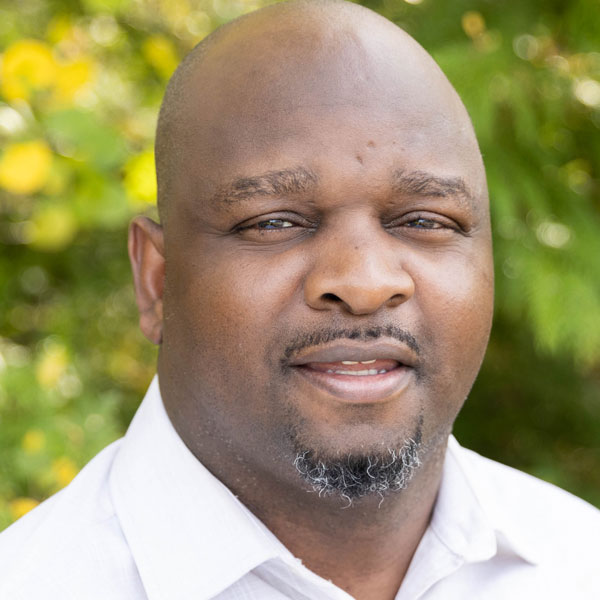 Meluleki Ncube: Author
As a Licensed Marriage and Family Therapist (LMFT), I have extensive experience working with a wide range of clients from diverse backgrounds, including teenagers, adult individuals, parents, and couples. As your therapist I promise to show up and li...

DISCLAIMER: THIS ARTICLE DOES NOT PROVIDE MEDICAL ADVICE
Articles are intended for informational purposes only and do not constitute medical advice; the content is not intended to be a substitute for professional medical advice, diagnosis, or treatment. All opinions expressed by authors and quoted sources are their own and do not necessarily reflect the opinions of the editors, publishers or editorial boards of Stone Oak Christian Counseling. This website does not recommend or endorse any specific tests, physicians, products, procedures, opinions, or other information that may be mentioned on the Site. Reliance on any information provided by this website is solely at your own risk.